In short
- Marbella suits families who love being outdoors: mild winters, long light and the sea and mountains close together.
- Summers are hot and August is busy, so many families plan their year around the quieter months.
- The first practical steps are your foreigner registration, the padrón at the Ayuntamiento and sorting out healthcare.
- Life here leans on the car, and a social circle takes a little effort to build, but it comes.
On this page
Most families who move to Marbella with young children come for the same few reasons: more time outside, more light, and a slower rhythm than the city they left. Most of them find it. They also find a place with its own quirks, from the August traffic to the Spanish paperwork, and it helps to know about those before the boxes arrive.
This guide covers what everyday life is really like, the first official steps, healthcare and hospitals, getting around, the beaches and green spaces that families actually use, and how to find your people. It ends with a simple checklist for your first ninety days.
Is Marbella good for families?
For families with small children, the short answer is yes, with a few honest caveats. The biggest gift is the climate. AEMET’s long-term averages for Málaga airport, the nearest main weather station, show around 2,900 hours of sunshine a year, January days that average a high of about 17°C, and August days that average a high of about 31°C. In practice that means walks, picnics and playgrounds in the middle of winter, and very few days when children cannot get outside.
The caveat is summer. July and August are hot, and families quickly learn to live like locals: the beach early, a long lunch and a rest indoors, and the playground again in the evening. August is also when the coast is at its busiest, with fuller beaches and slower roads. Many families who live here year round come to treasure the opposite season. From autumn to spring, Marbella is calm, green after the rains and very easy with a pushchair.
Housing near the coast, private schooling and private healthcare tend to be the costs that surprise newcomers most, while eating out and everyday outdoor life can feel easier on the budget than in many northern European cities. Prices change quickly, so check current figures for your own situation rather than relying on averages you read online.
Where you live shapes daily life more than almost anything else. Broadly, the east of Marbella is quieter and greener, with beaches, pine woods and residential streets, while the centre and the west put you closer to the old town, the Golden Mile and the busier side of the coast. We describe the areas around our home on our Marbella page.
The paperwork that comes first
Spanish administration rewards patience and good folders. Rules depend on your nationality and situation, so treat what follows as orientation, not legal advice, and always check the official source or ask a qualified adviser.
Your foreigner registration and NIE
Citizens of the EU, the European Economic Area and Switzerland who will live in Spain for more than three months must apply in person to be entered in the Central Register of Foreigners, at the provincial foreigners’ office or the relevant police station, within three months of arriving. According to the Policía Nacional, the registration certificate shows your name, nationality, address and your foreigner identity number, the NIE, which you will need for almost everything that follows.
Families from outside the EU follow different rules, usually starting with a visa or residence authorisation arranged before the move. Begin with the Spanish consulate in your current country and the official immigration information, and do this early, because appointments and documents take time.
The padrón at the Ayuntamiento
Registering on the padrón, the municipal register of residents, is how the town knows you live here. In Marbella, new registrations and changes of address are handled by the Ayuntamiento’s citizen service offices (Oficina de Atención al Ciudadano), which work by appointment. There are offices in central Marbella on Plaza de los Naranjos, in San Pedro Alcántara and in Nueva Andalucía, among others. Ask which documents to bring for each family member, and register the children at the same time as yourselves.
Healthcare, hospitals and paediatricians
The public system
Since 2018, Spanish law has linked the right to public healthcare to residence in Spain, as the Seguridad Social explains. Your right is recognised through the Seguridad Social, and in Andalusia you then request a health card from the Servicio Andaluz de Salud, either in person at your local health centre (centro de salud) or online through the ClicSalud+ app. The card identifies you at health centres and hospitals, and in Andalusia prescriptions are issued electronically through it. Exactly how you qualify depends on whether you work here, receive a pension or have another basis, so check your own case.
Private health insurance and hospitals
Many international families also take out private health insurance, often while their public cover is being arranged and sometimes alongside it for shorter waits or English-speaking specialists. Before you choose a policy, check which hospitals and paediatricians it includes, and whether pregnancy and birth are covered from the start.
- Hospital Quirónsalud Marbella, on Avenida Severo Ochoa, runs a paediatric emergency service 24 hours a day, every day of the year, for children from birth to 14. Its obstetrics and gynaecology unit covers pregnancy, birth and the weeks after.
- HC Marbella International Hospital lists paediatrics and gynaecology among its specialties and describes an international team.
- Hospital Universitario Costa del Sol in Marbella has its own paediatrics unit, accredited by Andalusia’s health quality agency.
If you are expecting, contact the hospital and your insurer early to understand how antenatal care and the birth itself are organised.
Vaccinations
Andalusia publishes its own childhood vaccination calendar, updated each year. The 2026 calendar, for example, gives the rotavirus vaccine at two and four months, and brings the second dose of the measles, mumps and rubella and chickenpox vaccines forward from three years to two. Bring your children’s vaccination records, translated if you can, so the paediatrician can see where they fit and whether anything needs catching up.
Nurseries and schools, in brief
For many families, school is the decision that comes before the house, because the coast is long and the school run sets the shape of the day. The choice is wide, from British and other international schools to Spanish schools and smaller nurseries. We cover it properly in our guide to international and British schools in Marbella. If you are drawn to Montessori, Waldorf or nature-based settings, our piece on Montessori, Waldorf and nature-based learning explains the differences.
Start enquiries early. Popular schools fill their younger year groups well in advance, and visiting in person tells you more than any website.
Getting around
Marbella is a town where most families drive. Homes, schools and beaches are spread along the coast and up into the hills, and for most families a car is part of everyday life.
Two roads run parallel along the coast. The A-7 is the free road that links the coastal towns. It carries a lot of local traffic, has slower stretches and junctions with short slip roads, and becomes very congested in summer, especially around Puerto Banús. The AP-7 is the toll motorway, generally a calmer drive, with rates that vary by season. Many families use the A-7 for short local trips and the AP-7 when time or nerves matter.
Málaga airport is along the coast to the east. If you are not driving, a direct coach runs between the airport and Marbella bus station, which sits a little inland from the centre, and the timetable quotes a journey of about 45 minutes.
Beaches, parks and days out
This is where Marbella shines for young children. The sea is close almost everywhere, and the mountains are never far behind it.
Beaches
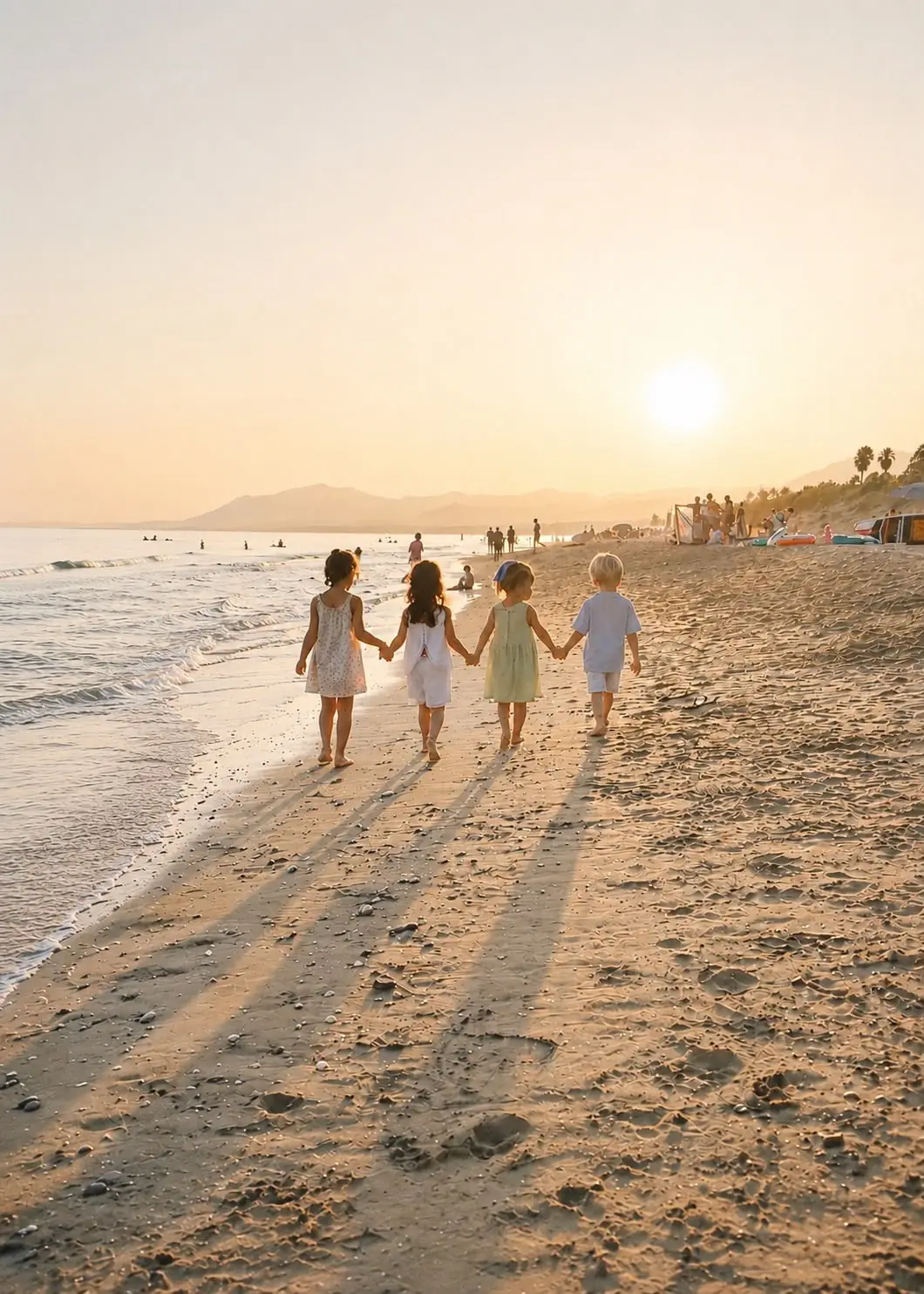
Blue Flags are awarded each year in Spain by ADEAC. For the 2026 season, eight Marbella beaches received one: Cabopino, El Cable, El Faro, La Fontanilla, Nagüeles-Casablanca, Los Monteros (Adelfas), San Pedro de Alcántara (Guadalmina) and Venus-Bajadilla. The list changes from year to year, so check the current one before summer. With little ones, a beach with facilities nearby, shade you bring yourself and an early start make all the difference.
Parks in town
In the centre, Parque de la Constitución is a small, leafy park a short walk from the Paseo Marítimo, with a children’s play area, a café and the town’s open-air auditorium. Parque Arroyo de la Represa follows the bed of a stream through town, with two ponds, ducks and turtles, a playground, sports courts and a small bonsai museum. Both are good places for an unhurried morning and for meeting other parents.
Into the hills
Behind the town rises Sierra Blanca. The climb to La Concha, at 1,215 metres, is a classic but a proper mountain route, best left until children are older. With small children, the area around the Refugio de Juanar is gentler: a waymarked circular route from Juanar to Castillejos is described as easy to moderate, with an optional steeper climb at the end that you can simply skip.
Days out along the coast
Two animal parks are within reach for a family day. Selwo Aventura, near Estepona, is a wildlife park focused mainly on African species, with zones that recreate tropical forest and savannah. Bioparc Fuengirola, in the centre of Fuengirola, takes you through tropical habitats from Madagascar to Southeast Asia and is open every day of the year.
Finding your people
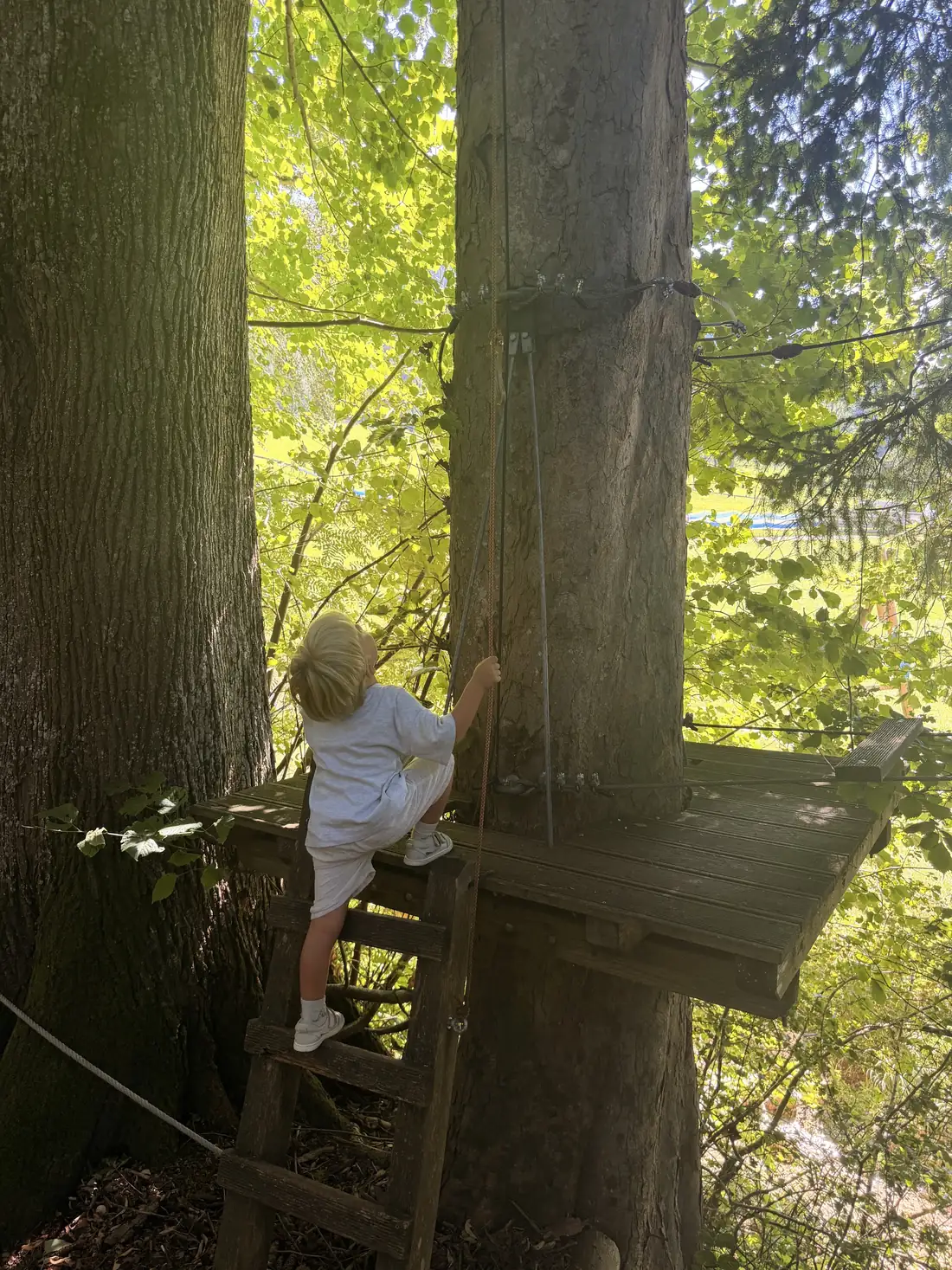
Ask families who have made the move what was hardest, and many will not mention the paperwork or the heat. They will mention the first few months, before they had people to call. Marbella is international and welcoming, but it is also spread out, and friendships do not happen by accident when everyone arrives by car.
What helps is repetition: the same playground on the same mornings, the same school gate, a weekly activity where you see the same faces. Say yes to invitations in the early months, even when you are tired. Many lasting friendships here start with a coffee after drop-off.
For the youngest, our baby and toddler experiences are shared with a parent or trusted caregiver, which makes them a gentle way to meet other new parents. Signature Saturdays are family mornings twice a month, often outdoors.
Language
You will hear English in many places along this coast, and it is easy to get through a week without much Spanish. Even so, Spanish matters. Appointments at the Ayuntamiento, the health centre and many schools run in Spanish, and a little effort opens doors with neighbours and other parents. Young children usually pick it up faster than anyone. For parents, a few lessons in the first months pay off quickly.
Your first 90 days
- 1Before you move, check the official rules for your nationality and gather passports, birth certificates and vaccination records for everyone, with translations where you can.
- 2In your first weeks, book an appointment at the Ayuntamiento and register the whole family on the padrón.
- 3Apply for your foreigner registration and NIE; EU citizens staying longer than three months must do this within three months of arriving.
- 4Sort out healthcare: check your right to public cover, request your health cards at the centro de salud or through ClicSalud+, and choose private insurance if you want it.
- 5Find a paediatrician, take the vaccination records along and note the nearest 24-hour paediatric emergency service.
- 6Visit schools or nurseries in person and confirm your place.
- 7Learn your everyday routes, including the quieter alternatives for summer.
- 8Build a weekly rhythm: a regular park, a regular activity, a regular coffee. This is how a new place starts to feel like home.
Give yourselves time. The first season is about finding your feet, and most families say Marbella only really feels like home after their first full year.
Share this guide
Share on WhatsApp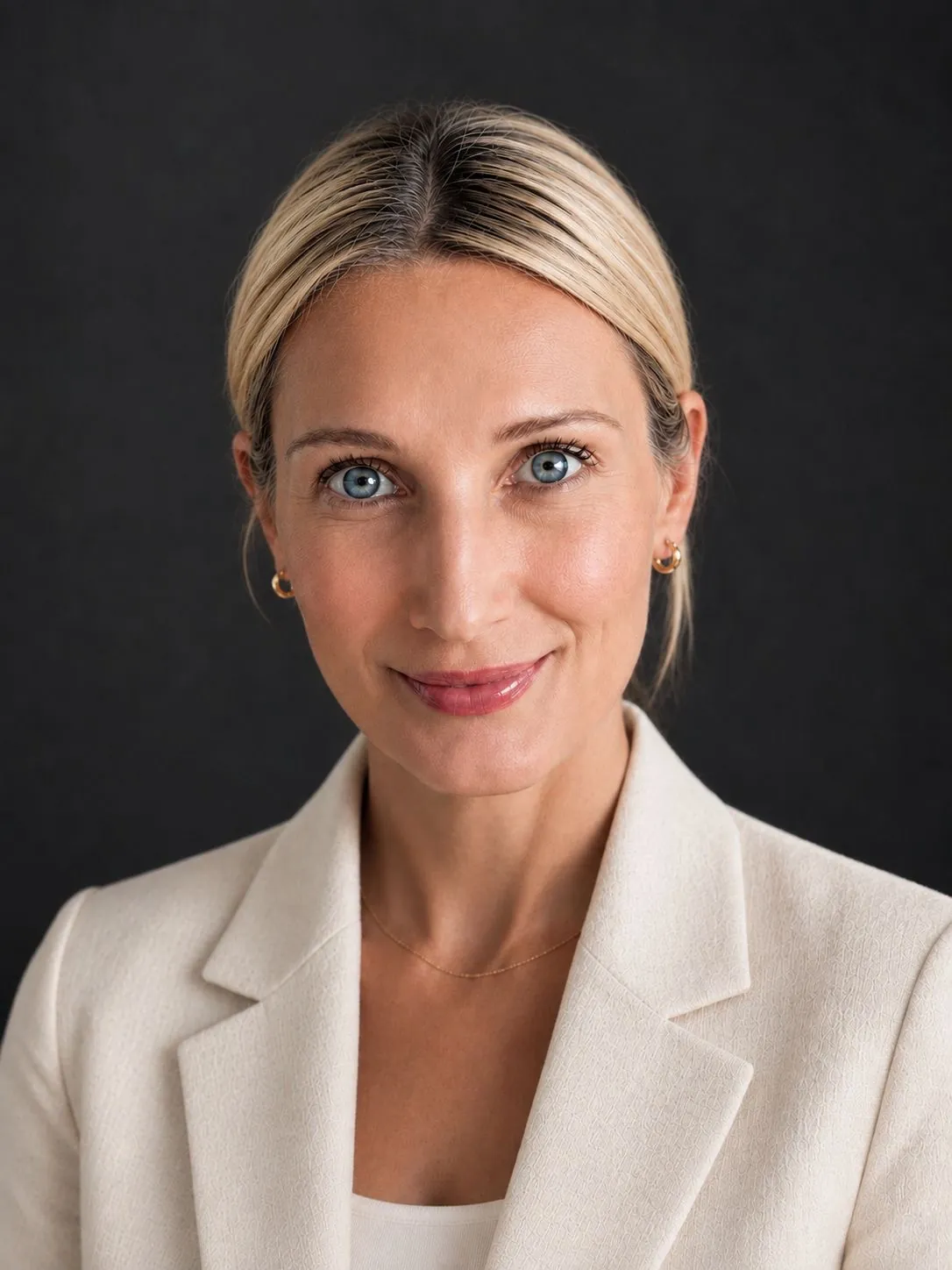
About the author
Natalie Curavic
Founder & CEO
Natalie holds an M.A. in Cultural Geography and an MBA from FOM University of Applied Sciences. For more than 15 years, her work in Human Resources has focused on people and what helps them grow and thrive. She is also trained in prenatal yoga. Her own journey into motherhood deepened her understanding of how much belonging, connection and community matter, not only for children, but for parents too.
Guides by NatalieSources
Checked on the date above. Rules and programmes change, so confirm with the source before you decide.
- 1.AEMET: standard climate values, Málaga Aeropuerto station
- 2.Policía Nacional: registration certificate for EU citizens
- 3.Ayuntamiento de Marbella: Oficina de Atención al Ciudadano (OAC)
- 4.Seguridad Social: asistencia sanitaria
- 5.Servicio Andaluz de Salud: tarjeta sanitaria
- 6.Junta de Andalucía: vaccination calendar 2026 (Instrucción DGSPyOF-1/2026)
- 7.Hospital Quirónsalud Marbella: paediatric emergencies
- 8.Hospital Quirónsalud Marbella: obstetrics and gynaecology
- 9.HC Marbella International Hospital
- 10.Agencia de Calidad Sanitaria de Andalucía: UGC Pediatría, Hospital Universitario Costa del Sol
- 11.ADEAC Bandera Azul: beaches awarded in 2026
- 12.Andalucia.com: Parque Arroyo de la Represa
- 13.Malagacar: parks in Marbella
- 14.Mancomunidad de Municipios de la Costa del Sol Occidental: PR-A 168 Cortijo de Juanar to Pico de la Concha
- 15.Mancomunidad de Municipios de la Costa del Sol Occidental: Juanar to Castillejos route
- 16.Malagacar: A-7 and AP-7 compared
- 17.Andalucia.com: buses to and from Marbella
- 18.Selwo Aventura: about the park
- 19.Bioparc Fuengirola