In short
- Montessori, Waldorf, Reggio Emilia and forest school all take young children seriously, but they disagree on materials, the adult’s role and when formal reading begins.
- For Montessori, a 2023 systematic review of 32 studies found modest positive effects on children’s outcomes.
- Research on nature-based early education points in a hopeful direction, though its authors rate the certainty as low.
- The name on the door matters less than authentic practice: trained adults, unhurried time and a setting that suits your child.
On this page
Ask ten parents on the Costa del Sol about early education and you will hear the same handful of words: Montessori, Waldorf, Reggio, forest school. They are often used loosely, sometimes as if they were interchangeable. They are not. Each grew out of a particular person, place and set of convictions about how young children learn.
This guide sets them side by side, fairly. None of them is the single right answer. What follows should help you recognise each one when you visit, ask better questions, and choose what fits your child and your family.
Montessori: the prepared environment
Maria Montessori was an Italian educator, physician and scientist. In January 1907 she opened her first Casa dei Bambini, a children’s house, in San Lorenzo, a poor inner-city district of Rome. By 1909, according to the American Montessori Society, Montessori schools had opened on five continents.
The core idea is that children learn best through their own purposeful activity, in a space designed around their stage of development. The Association Montessori Internationale (AMI) describes teachers as guides who support children towards independent learning rather than delivering lessons from the front.
What a morning looks like
In the early childhood years, which AMS defines as ages 2½ to 6, children usually share a room spanning about three years of age. They choose their own work during long, uninterrupted blocks of time, typically two hours or more. You will see practical life activities such as dressing, preparing snacks and setting the table, sensorial materials that help children sort and classify, and hands-on materials for early mathematics.
- The adult observes closely and plans for each child, stepping in to present a material and then stepping back.
- Materials are specially designed and hands-on, so children discover ideas by handling them.
- Writing comes before reading. Sandpaper letters let children trace each letter while saying its sound, and AMS describes reading as following on from there.
Limits worth knowing
The name is not protected. In the words of the American Montessori Society, “any school can call itself Montessori”. Some settings follow the method closely, others borrow the wooden materials and little else. Some families also find they want more room for imaginative, make-believe play than a strongly work-focused room offers; it is worth watching for on a visit.
Waldorf (Steiner): rhythm, imitation and play
Rudolf Steiner was a philosopher and social reformer, born in Austria in 1861. In 1919 a factory owner invited him to start a school for his own children and those of the workers at the Waldorf Astoria cigarette factory in Stuttgart, which is where the name Waldorf comes from. The UK organisation Steiner Waldorf Education describes his wider philosophy, anthroposophy, as a practice of self-knowledge rather than a religion.
In the early years, Waldorf deliberately holds formal learning back. The aim, in that organisation’s words, is to give the youngest children time “to develop through play, imitation and exploration”.
What a morning looks like
Children aged three to six stay in a mixed-age kindergarten with the same teacher for three years. The setting is meant to feel home-like. The day follows a steady rhythm, with a balance of adult-led and child-led activity: free imaginative play, daily singing, poetry and storytelling, and meaningful practical tasks such as gardening, cooking and crafts. The adult works alongside the children rather than instructing them, and the younger ones learn from the older ones.
Pre-literacy grows through songs, verses and stories. Children begin to read and write in a more structured way in the year they turn seven. Steiner Waldorf schools in the UK say they delay digital technology until young people are in their early teens.
Limits worth knowing
Waldorf is rooted in anthroposophy, and it is fair to ask any school how that shapes daily practice. The later start to formal reading is a deliberate choice; if your family may move between countries, ask how children who join or leave at six or seven are supported through the change.
Reggio Emilia: the hundred languages of children
The Reggio Emilia approach is named after a city in northern Italy, not a single founder, although the educator Loris Malaguzzi (1920 to 1994) is its central figure. After the Second World War he was struck by schools that local people, many of them women, ran themselves, beginning with Villa Cella in 1947. The city opened its first municipal preschool in 1963 and its first infant-toddler centre in 1971.
Reggio Children describes the child as having “strong potentialities for development” and as a subject with rights, who learns through “the hundred languages”, a phrase from Malaguzzi’s own poem. Its foundations include the environment as educator, the atelier and the atelierista (the studio and its dedicated educator), documentation that makes children’s thinking visible, and a team of educators working together with the children each day.
Reggio Children’s overview describes foundations and values rather than a set of materials or a programme to follow. That is part of its appeal, and also its main limit: away from the city’s own schools, quality depends on the people. When a setting calls itself Reggio-inspired, ask how its educators learned the approach and ask to see its documentation.
Forest school and nature-based learning
Nature-based learning is less a single method than a family of practices. Forest School, as the Forest School Association describes it, began in Scandinavia and draws on friluftsliv, a “free air life”. It arrived in the UK in 1993.
The Association sets out six principles for quality practice:
- Long-term, regular sessions rather than one-off visits.
- A woodland or other natural setting.
- A learner-centred process that builds a community for learning.
- Holistic development, aiming for resilient, confident, independent and creative learners.
- Supported risk-taking, suited to the setting and the individual child.
- Qualified practitioners who keep developing their practice.
A session might mean building a shelter, following a stream, climbing, or simply time to play in the same place week after week and watch it change. The adult’s role is to notice, support and keep risk at a level the child can manage. Reading and formal academics are not part of the six principles, so ask how outdoor time connects with your child’s nursery or school.
The limits are practical. A walk in the park once a term is not Forest School, and the benefits the Association describes rest on regularity and trained adults.
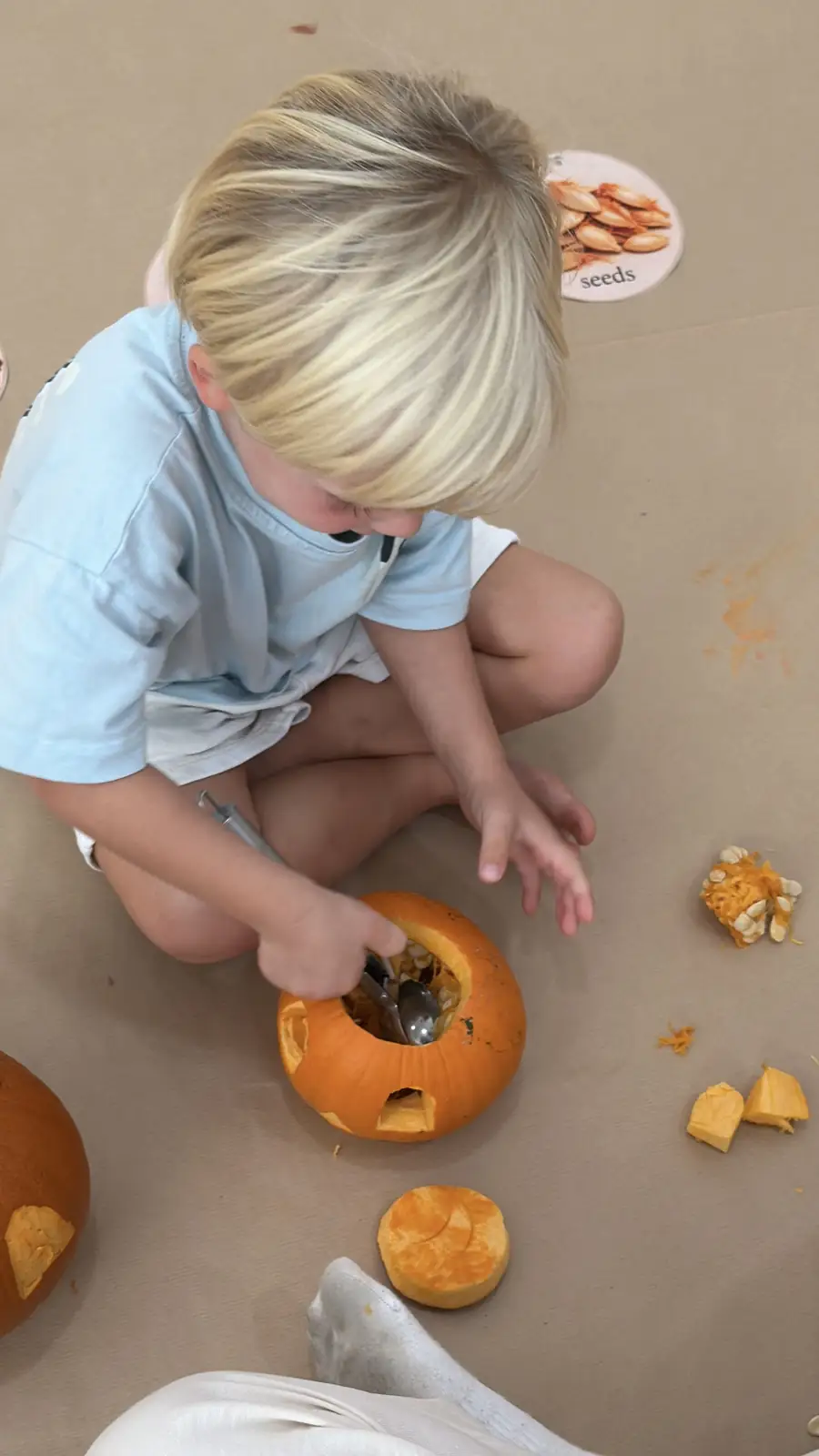
Montessori vs Waldorf vs Reggio vs forest school, side by side
| Approach | Founder or origin | Core idea | Role of the adult | Learning materials | Early reading |
|---|---|---|---|---|---|
| Montessori | Maria Montessori, Rome, 1907 | Self-directed, purposeful activity in a prepared environment, mixed ages | Guide who observes and plans for each child | Specially designed, hands-on materials | Writing first, through sandpaper letters, then reading, within ages 2½ to 6 |
| Waldorf (Steiner) | Rudolf Steiner, Stuttgart, 1919 | Play, imitation and rhythm in a home-like kindergarten | Same teacher for three years, working alongside the children | Practical tasks such as gardening, cooking and crafts; songs and stories | Pre-literacy first; structured reading and writing from the year the child turns seven |
| Reggio Emilia | Loris Malaguzzi and the city of Reggio Emilia, Italy, from the late 1940s | The child as capable, with rights, expressing ideas in a hundred languages | A team of educators, including an atelierista, documenting children’s thinking | The environment as educator; the atelier | Not set out in Reggio Children’s overview; ask each setting |
| Forest school | Scandinavian outdoor tradition (friluftsliv); UK from 1993 | Regular, long-term time in nature, with supported risk | Qualified practitioner who supports the child’s own exploration | The natural setting itself | Not part of the six principles; depends on the child’s main setting |
What the research says
Evidence in early childhood is hard to gather. Families choose schools for reasons that also shape how children do, so simple comparisons can mislead. With that caution, here is what the stronger studies show.
Montessori
A 2023 systematic review in Campbell Systematic Reviews, led by Justus Randolph with Angeline Lillard among the authors, pooled 32 studies. It found modest positive effects on academic outcomes, and somewhat larger ones on non-academic outcomes such as executive function. Effects were larger in randomised studies and at preschool and primary age. The authors also note possible publication bias, though a sensitivity analysis still favoured Montessori.
One of the best known individual studies, by Lillard and colleagues in 2017, followed 141 children in Hartford, Connecticut, who were admitted to two public Montessori schools by lottery or attended other preschools. Over three years the Montessori children gained more in academic achievement and in understanding other people’s thoughts. The authors are careful about its limits: only two high-fidelity, AMI-recognised schools were studied, so the results may not apply to every school using the name.
Nature-based learning and outdoor play
A 2022 mixed-methods systematic review by Johnstone and colleagues looked at 36 studies of nature-based early childhood education for children aged two to seven. It found positive associations with self-regulation, social skills, social and emotional development and connection to nature, and mixed results for attention. The authors rated the certainty of the evidence as very low and called for better designed studies.
An earlier review of unstructured nature play by Dankiw and colleagues (PLOS ONE, 2020) included 16 studies and found consistent positive effects on physical activity and on cognitive play behaviours. It, too, flagged concerns about the quality of the evidence. The honest summary on outdoor play benefits: encouraging, plausible, not yet proven in detail.
Waldorf and Reggio Emilia
While preparing this guide we did not find a systematic review of early years outcomes for Waldorf or Reggio Emilia comparable in scale to the Montessori review. That says something about research funding and design, not necessarily about the approaches themselves.
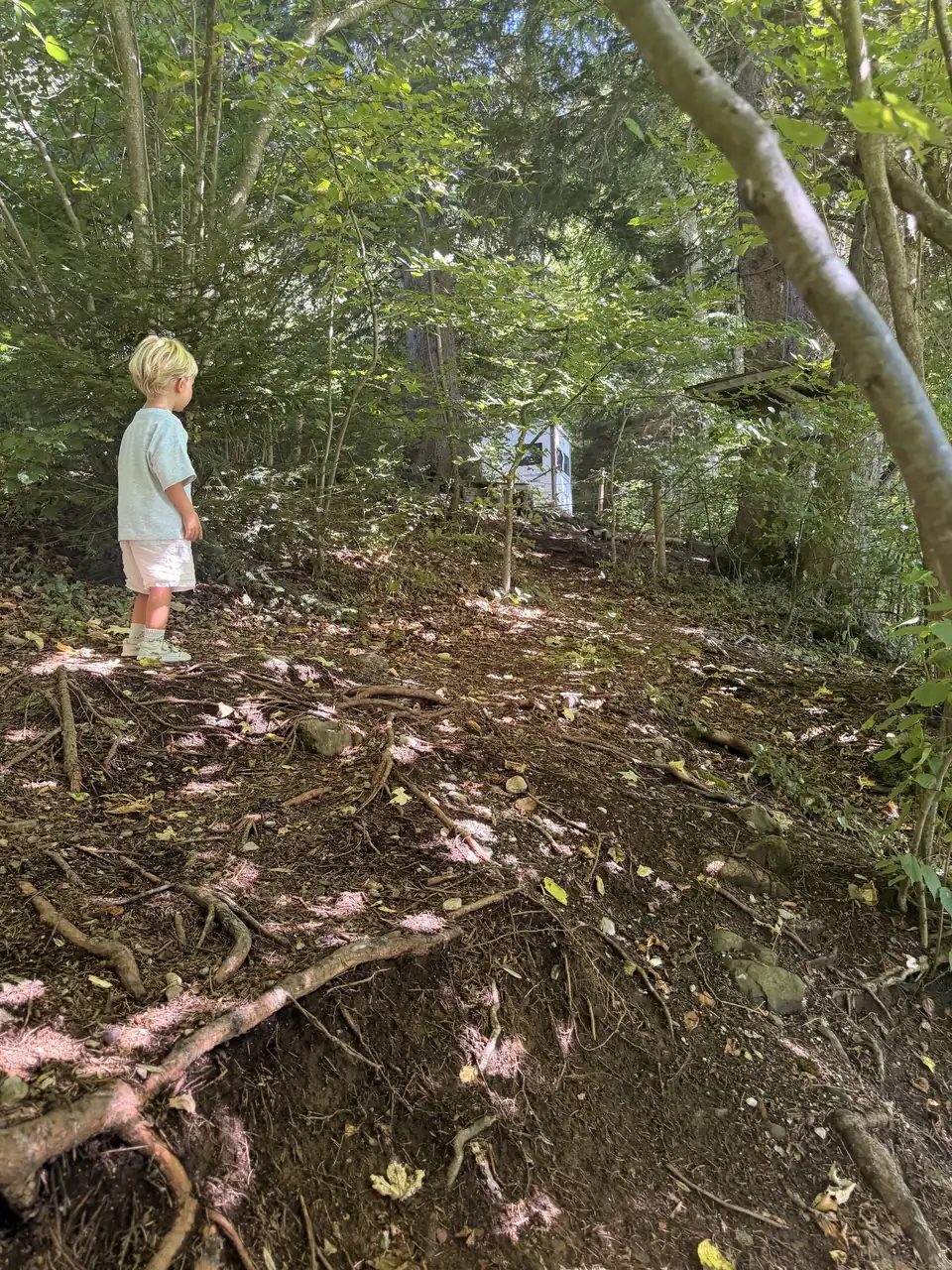
How to choose
Start with your child, not the label. A quiet child who loves to order and complete things may thrive in a Montessori room. A dreamy storyteller may light up in a Waldorf kindergarten. A child who needs to move may need more time outdoors whatever their main setting. Then visit, ideally during a normal morning.
Questions to ask on a visit
- How long do children have to play or work without interruption, and who decides what they do?
- What training do the adults hold, and from which body?
- How many children are in a group, and how many adults are with them?
- How much time do children spend outdoors each week, and in what kind of place?
- When and how are reading, writing and numbers introduced?
- How do you use screens and technology, and at what age?
- How do you share what my child is learning? Can I see an example?
Signs of authentic practice
- Montessori: ask whether guides hold AMI or AMS diplomas. AMS accreditation requires trained teachers, multi-age classrooms, Montessori materials, student-directed work and uninterrupted work periods. AMI runs a School Recognition programme in the USA and Canada and is piloting a global accreditation; elsewhere it points families to its national affiliated societies.
- Waldorf: ask which national association the school belongs to. In Europe these associations come together in umbrella bodies such as the European Council for Steiner Waldorf Education (ECSWE) and, for early years, IASWECE.
- Reggio Emilia: look for an atelier in daily use, walls of documentation about children’s own ideas, and educators who can explain how they plan from what they observe.
- Forest school: ask whether sessions are regular and long-term, and whether leaders hold a recognised Forest School qualification. In the UK, the Forest School Association recognises providers that meet its quality benchmarks.
If you are weighing these choices alongside a move, our guides to moving to Marbella with children and international schools in Marbella cover the wider picture.
Around Marbella and Málaga
Families searching for Montessori in Marbella or Málaga, or for Waldorf in Marbella or Málaga, will find a mix of schools, nurseries and settings that use the words with very different degrees of fidelity. Directory listings are often out of date, so treat each school’s own website and a visit as your primary sources.
One we could verify through its own website is Casa del Mar Montessori in Marbella, which describes programmes for children from six months to twelve years and says it follows AMI and AMS standards. We mention it for information only, not as a recommendation. We could not confirm a Waldorf school in the area through an official website, so we have not named one; ask any setting you find which national Waldorf association it belongs to.
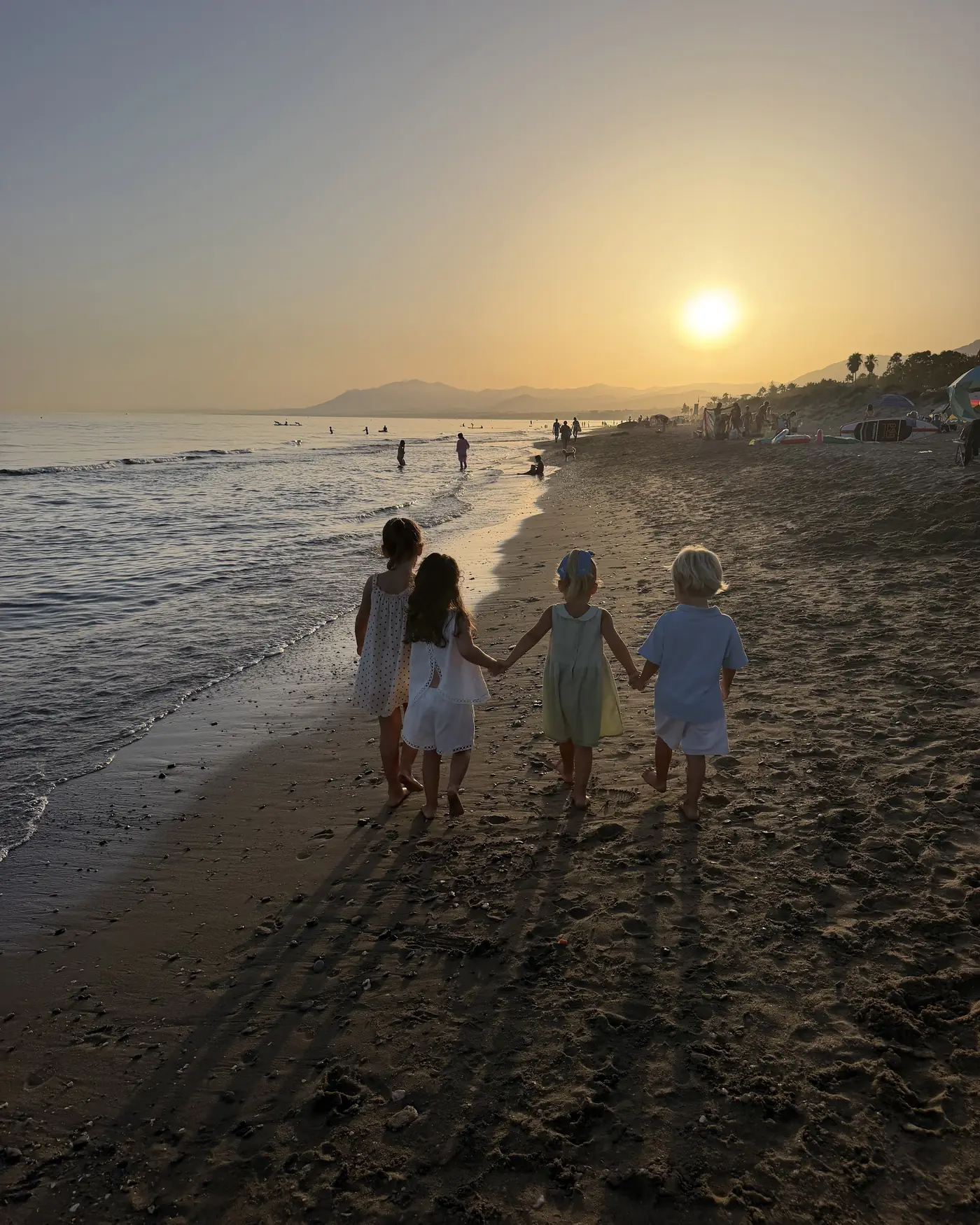
Whatever you choose, the coast itself is a gift for nature-based learning. Beaches, pine forests and the sierra are close by, and regular, unhurried time in them is something every family can build in.
For the very youngest, see our experiences for babies and toddlers, or browse all Narelo experiences.
Share this guide
Share on WhatsApp
About the author
Vivien Vörös
Co-founder & Head of Education
Vivien trained in Special Needs Education at Eötvös Loránd University, with further qualifications in Speech and Language Therapy and Complex Movement Therapy. For more than seven years, she has worked across schools, therapy settings and nurseries, always with the same focus: really getting to know each child.
Guides by VivienSources
Checked on the date above. Rules and programmes change, so confirm with the source before you decide.
- 1.American Montessori Society: History of Montessori
- 2.American Montessori Society: What is Montessori education?
- 3.American Montessori Society: Montessori early childhood programmes
- 4.Association Montessori Internationale: About Montessori
- 5.Association Montessori Internationale: School recognition and global accreditation
- 6.Steiner Waldorf Education (UK)
- 7.Steiner Waldorf Education: Early years to upper school
- 8.Steiner Waldorf Education: Rudolf Steiner and anthroposophy
- 9.Steiner Waldorf Education: Membership of international bodies
- 10.Reggio Children: The Reggio Emilia Approach
- 11.Reggio Children: Loris Malaguzzi
- 12.Forest School Association: What is Forest School?
- 13.Randolph et al. (2023), Montessori education’s impact on academic and nonacademic outcomes: a systematic review, Campbell Systematic Reviews
- 14.Lillard et al. (2017), Montessori preschool elevates and equalizes child outcomes: a longitudinal study, Frontiers in Psychology
- 15.Johnstone et al. (2022), Nature-based early childhood education and children’s social, emotional and cognitive development: a mixed-methods systematic review, IJERPH
- 16.Dankiw et al. (2020), The impacts of unstructured nature play on health in early childhood development: a systematic review, PLOS ONE
- 17.Casa del Mar Montessori, Marbella (official website)